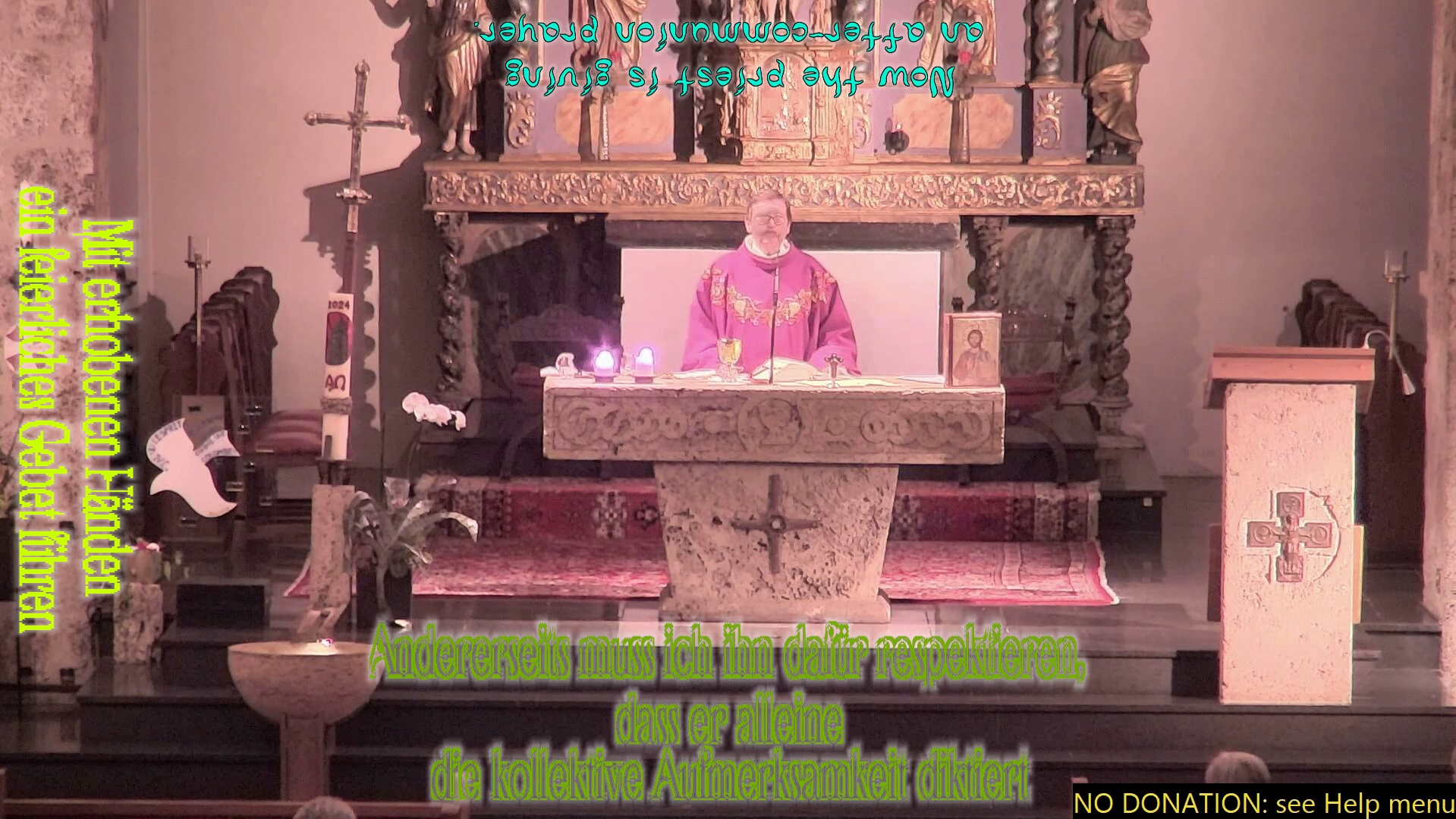
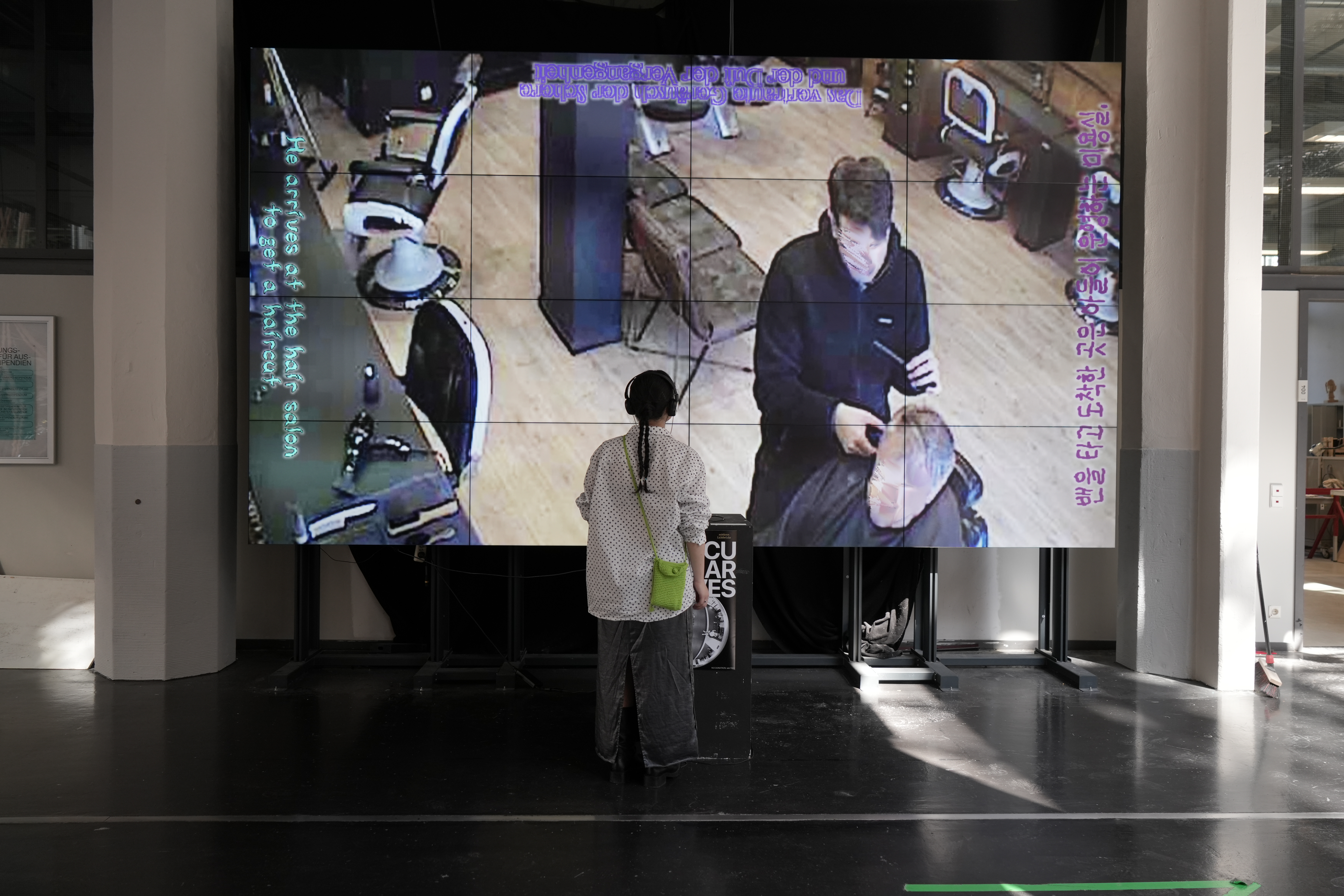
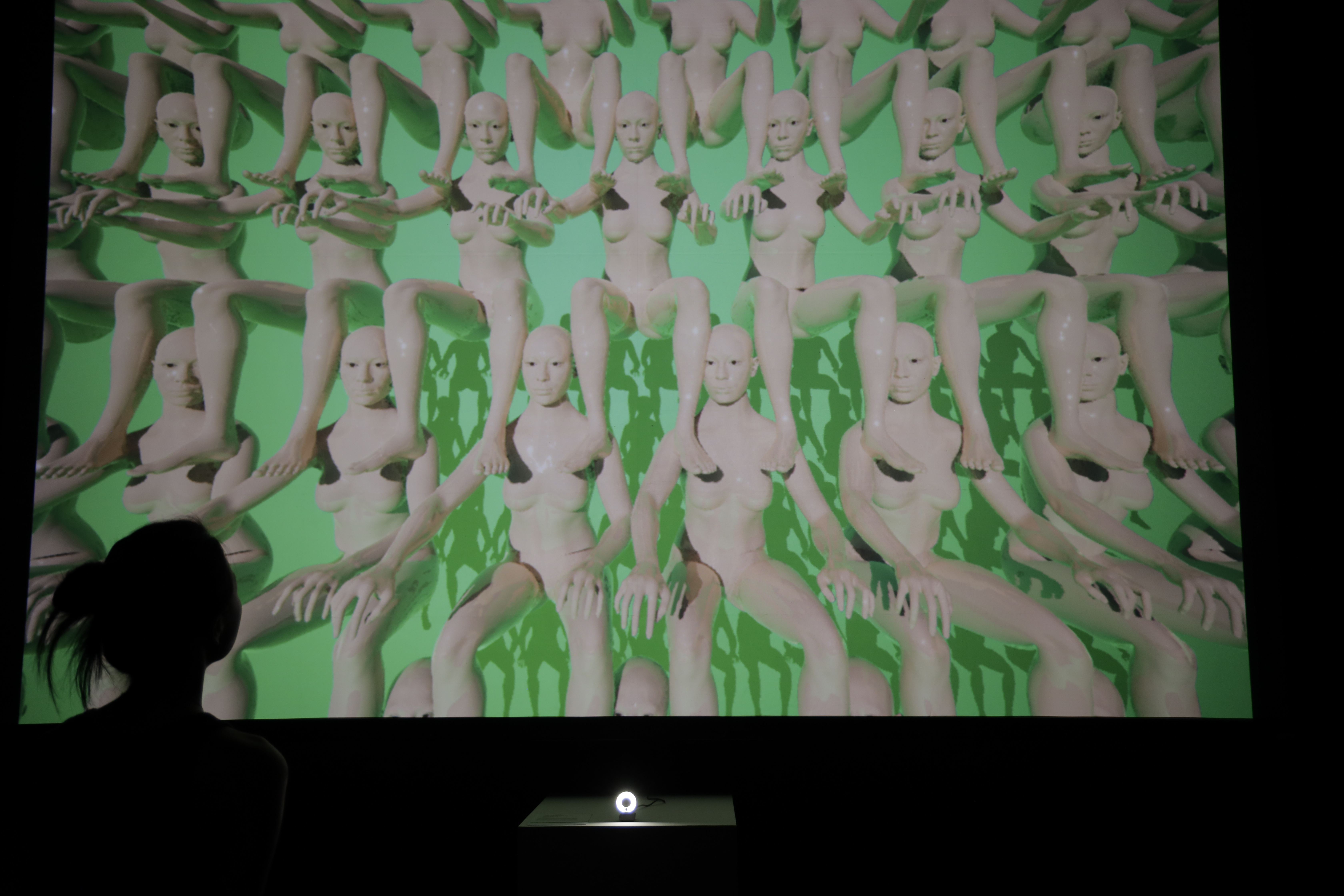
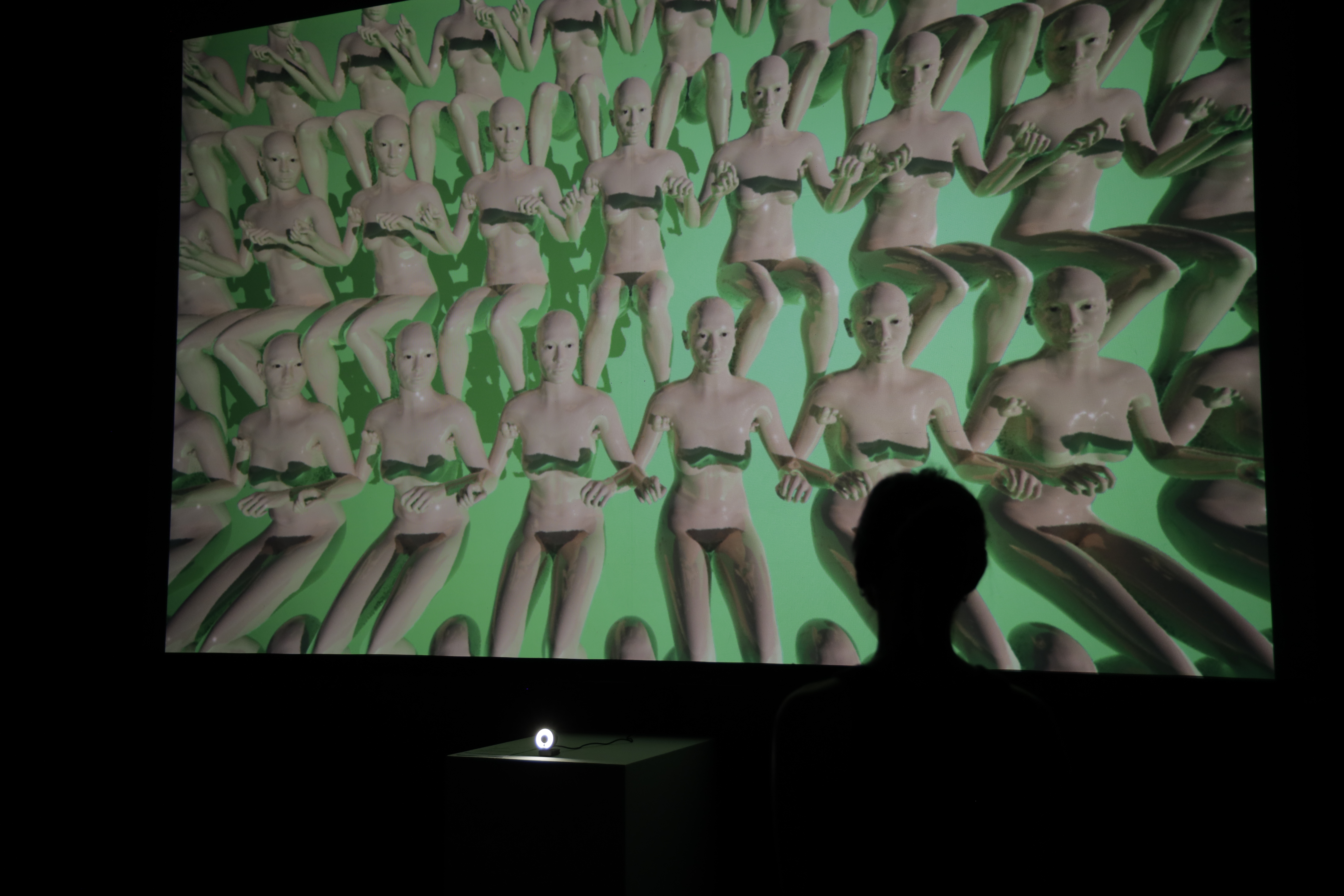
디지털 무아(Digital Anatta)의 함정과 알고리즘적 연기(緣起) 속의 실존
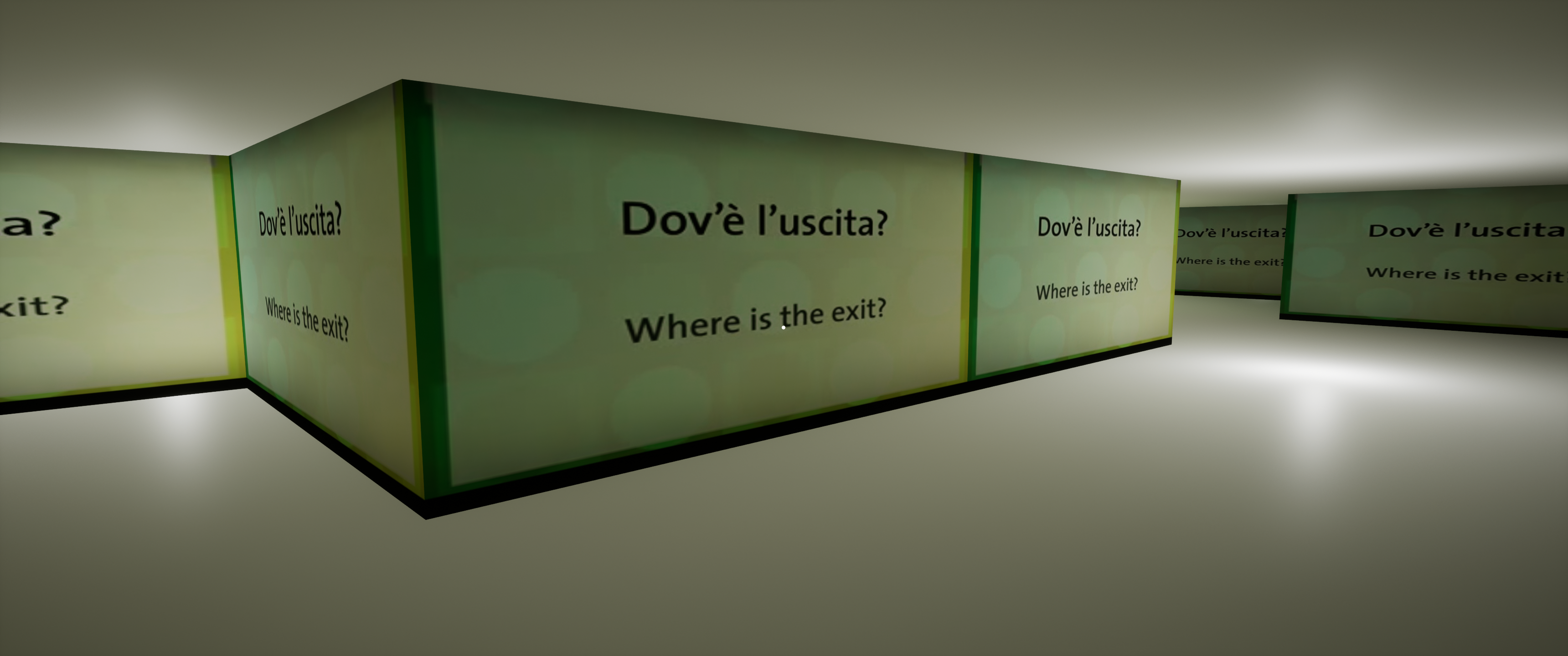
오늘날 현대인은 불교가 예견한 ‘무아(無我)’의 상태를 역설적으로 경험하고 있다. 정보의 바다 속에서 우리는 시공간의 제약을 넘어 누구나 될 수 있고, 어디에나 존재할 수 있는 자유를 만끽하는 듯 보인다. 그러나 이 지점에서 우리는 치명적인 질문을 마주해야 한다. 우리가 겪고 있는 이 자아의 상실은 번뇌를 끊어낸 ‘해탈’인가, 아니면 기술의 거대한 파도에 휩쓸려 떠내려가는 ‘조난’인가?
불교의 무아론은 자아라는 고정된 실체가 없음을 깨닫고 집착을 내려놓음으로써 진정한 자유에 이르는 길을 제시한다. 하지만 디지털 사회의 무아는 그 성격이 판이하다. 여기서의 무아는 자발적 비움이 아니라, 알고리즘과 거대 자본에 의한 ‘자아의 파편화’에 가깝다. 칸트가 인간 이성의 기원을 선악과를 먹은 후의 ‘분별력’에서 찾았듯, 현대 기술은 이 분별력을 인간으로부터 탈취하여 AI의 연산으로 치환해버렸다. 칸트에게 분별력이란 스스로 법칙을 세우는 자율성의 시작이었으나, 디지털 사회에서 분별력은 알고리즘의 몫이 되었고 인간은 그 선택의 결과값을 수동적으로 수용하는 객체로 전락했다.
하이데거의 표현을 빌리자면, 현대 기술은 인간을 ‘몰아세움(Ge-stell)’의 상태로 밀어 넣는다. 우리는 더 이상 고유한 실존이 아니라, 데이터라는 자원으로 탈은폐되어 언제든 가공되고 복제될 수 있는 ‘부품’이 되었다. 시작도 끝도 알 수 없이 복제되는 정보들은 불교의 연기법(緣起法)처럼 서로 얽혀 우리를 스쳐 지나간다. 우리는 이 거대한 흐름 속에서 내가 누구인지 결정할 권리를 잃어가고 있으며, 이것이 바로 현대인이 겪는 근원적 고통의 정체다.
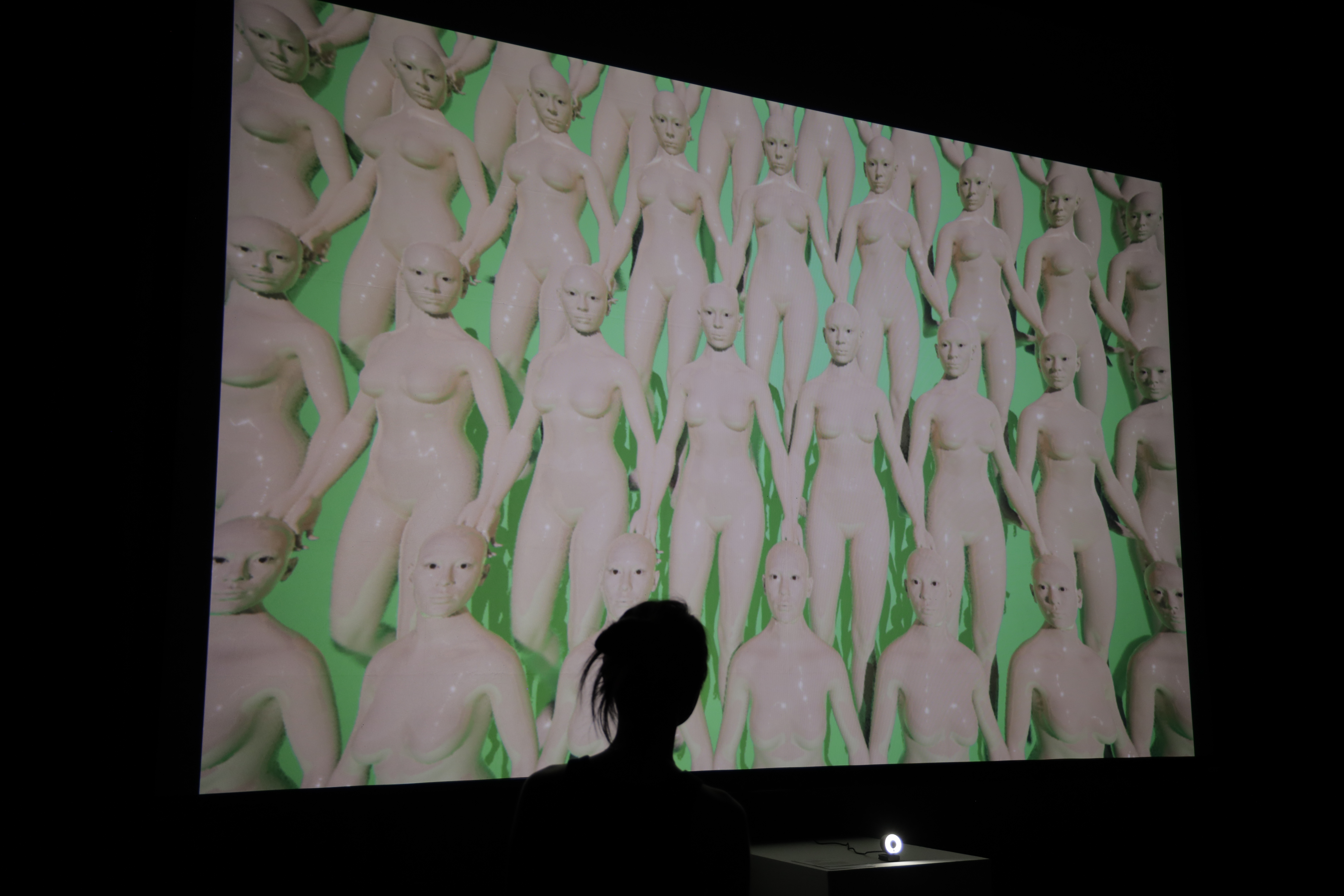
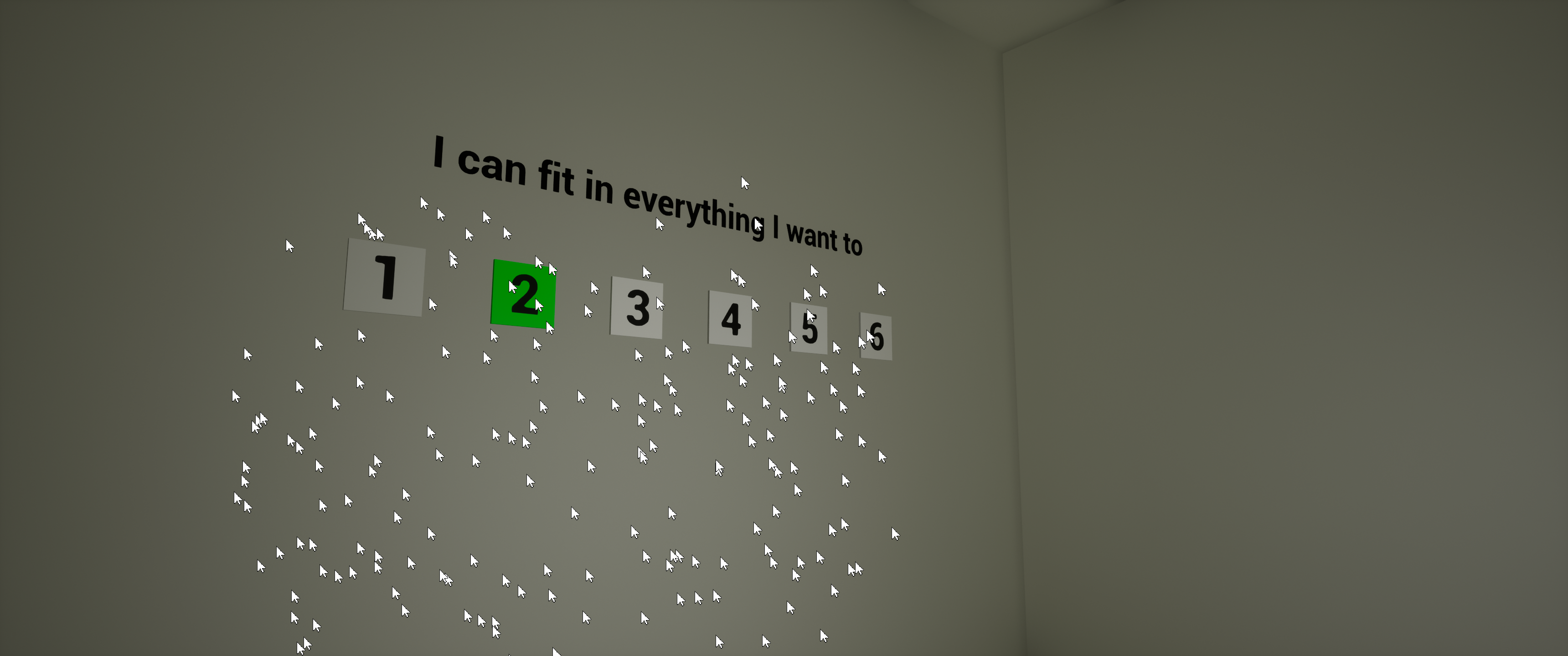
여기서 가장 위험한 함정은 디지털 공간이 주는 ‘가짜 자유’다. 무한한 정보를 접하고 멀티 페르소나를 구현하며 우리는 자신이 무아의 경지에 이른 존재처럼 착각한다. 그러나 불교적 무아가 집착의 소멸이라면, 디지털 무아는 집착의 과잉이다. ‘좋아요’와 실시간 반응이라는 족쇄에 묶인 채, 우리는 알고리즘이 설계한 수만 개의 감옥 사이를 방황하며 이를 자유라고 오해한다. 이것은 깨달음의 무아가 아니라, 기술에 의해 자아가 ‘거세’된 상태인 ‘디지털 몰아(沒我)’에 불과하다.
그렇다면 이 알고리즘적 연기의 굴레에서 어떻게 진정으로 살아남을 것인가? 그 해답은 역설적으로 기술이 우리를 부품화하려는 그 지점을 명확히 ‘자각’하는 데 있다. 하이데거는 기술의 위험이 극에 달했을 때 비로소 구원의 힘이 자라난다고 보았다. 우리가 마주하는 정보의 흐름이 시작도 끝도 없음을 인지하고, 그 뒤에 숨은 통제 세력의 의도를 꿰뚫어 보는 순간, 우리는 단순한 데이터 포인트에서 ‘관찰자’의 지위를 회복한다.
결국 디지털 사회에서의 생존은 ‘기술의 해탈’에 달려 있다. 이는 기술을 거부하는 것이 아니라, 기술이 나를 규정하도록 방치하지 않는 주체적 태도다. 칸트적 의미에서의 이성적 자율성을 되찾아, 알고리즘의 추천 너머를 상상하고 정보의 단절을 스스로 선택할 수 있는 ‘의지’를 발휘해야 한다. 흐르는 정보의 파도(연기) 속에서 길을 잃지 않고 그 파도를 타는 서퍼가 될 때, 우리는 비로소 가짜 무아의 환상에서 벗어나 기술 사회의 주인으로 우뚝 설 수 있을 것이다.
The Trap of Digital Anatta and Existence within Algorithmic Dependent Origination (緣起)
Today, modern humans paradoxically experience a condition that Buddhism once anticipated as “anatta” (non-self). In the vast sea of information, we appear to enjoy the freedom to become anyone and exist anywhere beyond the limits of time and space. Yet at this very point, we must confront a crucial question. Is this loss of self a form of liberation that cuts through suffering, or are we simply shipwrecked, swept away by the overwhelming waves of technology?
The Buddhist concept of non-self proposes that true freedom emerges through realizing that the self has no fixed essence and by letting go of attachment. However, the non-self of digital society is fundamentally different in character. Here, non-self is not a voluntary emptying, but rather a fragmentation of identity driven by algorithms and large-scale capital. Just as Kant traced the origin of human reason to the faculty of judgment that emerged after eating the forbidden fruit, contemporary technology has begun to appropriate this very faculty, replacing human discernment with AI computation. For Kant, judgment marked the beginning of autonomy—the ability to legislate one’s own principles. In digital society, however, judgment is increasingly delegated to algorithms, and humans risk becoming passive objects that merely accept the outcomes of automated decisions.
Borrowing Heidegger’s expression, modern technology pushes humanity into a state of “enframing” (Ge-stell). We are no longer singular existences but resources revealed as data, endlessly processed and replicated at will. Information multiplies without clear beginning or end, interwoven like the Buddhist principle of dependent origination (緣起), passing through us in endless streams. Within this vast flow, we are gradually losing the authority to determine who we are, and this may be the very source of the fundamental suffering experienced by contemporary individuals.
The greatest danger here lies in the illusion of freedom that digital space provides. Surrounded by infinite information and multiple personas, we may believe that we have reached a state resembling non-self. Yet while Buddhist non-self signifies the dissolution of attachment, digital non-self often produces its excess. Bound by the chains of likes and real-time reactions, we wander through countless algorithmically designed cages, mistaking them for freedom. This is not enlightened non-self, but rather a state of “digital self-erasure,” where identity is quietly stripped away by technological systems.
How, then, can we truly survive within this algorithmic web of dependent origination? The answer may lie, paradoxically, in becoming fully aware of the very moment when technology attempts to reduce us to components. Heidegger suggested that where the danger of technology reaches its extreme, the possibility of salvation also begins to grow. When we recognize that the flow of information has neither clear origin nor end, and when we perceive the intentions behind the systems that shape it, we may reclaim our position—not as mere data points, but as observers.
Ultimately, survival in digital society depends on a form of “technological liberation.” This does not mean rejecting technology altogether, but refusing to allow it to define us entirely. We must recover a Kantian sense of rational autonomy—the capacity to imagine beyond algorithmic recommendations and to exercise the will to choose disconnection when necessary. Only by learning to ride the waves of information, rather than being carried away by them, can we step beyond the illusion of false non-self and stand once again as active subjects within technological society.
사과의 계보: 분별, 계산, 연산 — 인간 기술문명의 세 번의 타락과 확장
인류의 기술사는 종종 불, 바퀴, 증기기관, 컴퓨터와 같은 발명품의 역사로 서술된다. 그러나 기술의 역사를 단순히 도구의 발전으로 이해하는 것은 충분하지 않다. 기술은 언제나 물질적 발명 이전에 세계를 바라보는 인식 방식의 변화로부터 시작되기 때문이다. 어떠한 기술도 세계를 대상화하고, 분리하고, 계산하고, 조작 가능한 것으로 인식하는 정신적 구조 없이는 탄생할 수 없다. 그런 의미에서 기술의 역사는 단순한 발명의 역사가 아니라 인간 의식이 세계를 어떻게 해석하고 조직해왔는가에 대한 정신사이자 존재론의 역사이다. 이 글은 기술 문명의 계보를 세 개의 ‘사과’—선악과, 뉴턴의 사과, 튜링의 사과—를 통해 읽어내고자 한다. 이 세 사과는 각각 인간이 세계와 맺는 관계가 어떻게 변화해왔는지를 상징하는 사건이며, 동시에 불교의 삼독(탐·진·치)과 연결되어 인간 문명의 내적 욕망 구조를 드러낸다.
첫 번째 사과는 성서 속 선악과이다. 전통적으로 이는 죄와 타락의 상징으로 해석되지만, 임마누엘 칸트는 『추측해본 인류사의 기원』에서 이를 보다 철학적으로 재해석한다. 칸트에게 선악과를 먹는 사건은 단순한 불복종이 아니라 인간이 자연적 본능 상태를 벗어나 자유로운 이성적 존재로 이행하는 결정적 순간이다. 즉 인간은 선악과를 통해 단순히 “죄”를 얻은 것이 아니라 자기 판단, 자기 의식, 미래에 대한 예측 능력, 그리고 선택의 자유를 획득한다. 그러나 바로 이 지점에서 불교적 의미의 ‘무명(無明)’이 발생한다. 세계를 나누고 분별하는 순간, 인간은 본래 비분별적이고 상호의존적인 실재를 개별적 실체들의 집합으로 오인하게 된다. 이것은 곧 허상을 실재로 착각하는 근원적 무지이며, 불교에서 말하는 치(癡)의 상태이다. 다시 말해 선악과는 지식의 획득이면서 동시에 무명의 탄생이다. 인간은 세계를 이해하기 시작한 것이 아니라, 사실은 세계를 분절된 대상으로 오해하기 시작한 것이다.
기술사적으로 볼 때 이는 모든 기술의 근원적 조건이다. 도구를 만들기 위해서는 먼저 세계를 ‘대상’으로 바라보아야 하며, 대상을 나와 분리된 조작 가능한 객체로 이해해야 한다. 하이데거가 말했듯 근대 기술의 본질은 단순한 기계가 아니라 존재자를 ‘저장 가능한 자원’으로 드러내는 특정한 세계 이해 방식에 있다. 그러므로 선악과는 단순한 신화적 열매가 아니라, 세계를 분별하고 객관화하는 모든 기술 정신의 원형이라 할 수 있다. 그것은 인간이 자연과 하나였던 상태를 떠나 세계를 외부화하고, 세계를 사유의 대상으로 세우는 최초의 사건이다.
두 번째 사과는 뉴턴의 사과이다. 떨어지는 사과를 통해 중력 법칙을 발견했다는 일화는 사실 여부를 떠나 근대 과학 정신의 상징으로 기능한다. 여기서 중요한 것은 뉴턴이 사과를 보고 무엇을 생각했는가가 아니라, 그 사건이 자연을 바라보는 인간의 태도를 어떻게 변화시켰는가이다. 뉴턴 이후 자연은 더 이상 신비롭고 설명 불가능한 질서가 아니다. 자연은 측정 가능하고, 계산 가능하며, 예측 가능한 법칙의 체계가 된다. 우주는 신의 섭리가 아니라 거대한 기계로 이해되기 시작한다.
이 순간 인간은 세계를 단지 ‘분별’하는 것을 넘어 ‘계산’하기 시작한다. 자연은 더 이상 함께 살아가는 환경이 아니라 분석되고 통제되어야 할 대상으로 전환된다. 여기서 작동하는 것은 불교적 의미의 진(瞋), 즉 분노 혹은 적대성이다. 자연이 나의 뜻대로 움직이지 않는다는 사실에 대한 인간의 근원적 불만은 자연을 예측하고 지배하려는 충동으로 이어진다. 프랜시스 베이컨이 자연을 인간 이성에 의해 해독되고 통제되어야 할 대상으로 사유했듯, 근대 과학은 단순한 탐구가 아니라 자연에 대한 일종의 폭력적 심문이었다. 뉴턴의 사과는 자연을 법칙으로 환원하고, 세계를 기계화하며, 모든 존재를 계산 가능한 질서 안으로 편입시킨다. 이로써 산업혁명, 공학, 군사기술, 자본주의 생산 시스템의 기반이 마련된다. 세계는 더 이상 존재하는 것이 아니라 운영되는 것이 된다.
세 번째 사과는 튜링의 사과이다. 청산가리가 주입된 사과를 베어 물고 죽었다는 전설적 이미지 속에서 튜링은 기술 문명의 세 번째 전환점을 상징한다. 뉴턴이 자연을 계산 가능한 것으로 만들었다면, 튜링은 인간의 사고 자체를 계산 가능한 것으로 만들었다. 튜링 머신의 개념은 사고, 판단, 논리, 언어와 같은 정신 활동을 모두 정보 처리 과정으로 환원할 수 있음을 보여주었다. 이는 단순히 컴퓨터의 발명이 아니라 인간 정신의 기계화이다.
여기서 기술은 외부 세계를 계산하는 단계를 넘어 인간 내부를 계산하기 시작한다. 욕망, 감정, 선택, 취향, 관계까지 모두 데이터가 되고 알고리즘이 된다. 인간은 더 이상 기술을 사용하는 주체가 아니라 기술 시스템 안에서 분석되고 최적화되는 대상으로 편입된다. 이 지점에서 작동하는 것은 탐(貪), 끝없는 욕망이다. 더 많은 정보, 더 빠른 처리, 더 높은 효율, 더 큰 연결, 더 많은 생산. 현대 디지털 자본주의는 욕망을 충족시키지 않는다. 오히려 욕망을 무한히 증폭하고 재생산한다. 플랫폼은 인간의 욕망을 읽고, 예측하고, 강화하며, 다시 욕망하게 만든다. 베르나르 스티글러의 논의를 빌리면, 현대의 디지털 기술은 인간의 주의를 체계적으로 포획하는 ‘정신기술(psychotechnology)’로 기능하며, 욕망의 형성과 방향 자체를 산업적으로 조직한다. 이러한 환경 속에서 인간의 사고와 선택은 점차 계산 가능한 데이터 흐름 속에 편입된다.
결국 세 개의 사과는 단순히 서로 다른 시대의 일화를 나열하는 상징이 아니다. 그것들은 인간이 세계와 관계 맺는 방식이 어떻게 변화해왔는지를 압축적으로 보여주는 하나의 계보다. 선악과 이후 인간은 세계를 분별하기 시작했고, 뉴턴의 사과 이후 세계를 계산하기 시작했으며, 튜링의 사과 이후 마침내 인간 자신까지 연산하기 시작했다. 이 흐름 속에서 기술은 단순한 도구의 발전이 아니라, 인간이 세계를 이해하고 조직하며 재구성하는 방식 자체의 변화로 나타난다. 기술의 역사는 곧 인간 정신이 세계를 점차 더 조작 가능한 체계로 환원해온 과정이며, 동시에 존재를 관계와 의미의 장이 아닌 정보와 질서의 구조로 재편해온 역사이다. 그런 의미에서 기술문명의 발전은 새로운 것이 출현한 사건이라기보다, 인간 내면에 잠재해 있던 분별, 통제, 확장의 욕망이 역사 속에서 점차 외화되고 물질화되어온 과정으로 읽힐 수 있다. 세 개의 사과는 바로 그 오랜 욕망의 궤적을 상징적으로 드러내는 문명의 표식들이다.
The Genealogy of the Apple:
Distinction, Calculation, Computation
— The Three Falls and Expansions of Human Technological Civilization
The history of human technology is often described as the history of inventions such as fire, the wheel, the steam engine, and the computer. However, it is insufficient to understand the history of technology merely as the development of tools. Technology always begins with a transformation in the mode of perception through which humans view the world, prior to any material invention. No technology can emerge without a mental structure that perceives the world as something to be objectified, separated, calculated, and manipulated. In this sense, the history of technology is not merely the history of inventions, but also an intellectual and ontological history of how human consciousness has interpreted and organized the world. This essay seeks to read the genealogy of technological civilization through three “apples”—the Forbidden Fruit, Newton’s apple, and Turing’s apple. These three apples symbolize distinct moments in the changing relationship between humanity and the world, while simultaneously corresponding to the Buddhist Three Poisons (greed, anger, and ignorance), revealing the inner structure of desire within human civilization.
The first apple is the Forbidden Fruit from the Bible. Traditionally interpreted as a symbol of sin and the Fall, Immanuel Kant philosophically reinterprets this event in Conjectural Beginning of Human History. For Kant, the act of eating the fruit is not simply disobedience, but the decisive moment in which humanity leaves behind its instinctual natural state and becomes a free, rational being. Through the Forbidden Fruit, humanity acquires not merely “sin,” but self-judgment, self-consciousness, the ability to anticipate the future, and the freedom of choice. Yet at this very point arises what Buddhism calls ignorance (avidyā). The moment humanity begins to divide and discriminate the world, it mistakes what is fundamentally interdependent and non-dual reality for a collection of separate, independent entities. This is the fundamental delusion of mistaking illusion for reality, the state of ignorance referred to in Buddhism as moha. In other words, the Forbidden Fruit signifies both the acquisition of knowledge and the birth of ignorance. Humanity did not simply begin to understand the world; rather, it began to misunderstand the world as a fragmented collection of separate objects.
From the perspective of technological history, this constitutes the fundamental condition for all technology. In order to create tools, one must first perceive the world as an “object” and understand it as something separate from oneself, manipulable and external. As Martin Heidegger argued, the essence of modern technology is not machinery itself, but a particular mode of revealing that discloses beings as “standing reserve.” Therefore, the Forbidden Fruit is not merely a mythical fruit, but the archetype of the technological spirit that divides and objectifies the world. It marks the first moment in which humanity departs from its unity with nature, externalizes the world, and establishes it as an object of thought.
The second apple is Newton’s apple. The story that Newton conceived the law of gravity upon seeing an apple fall functions, regardless of its factual accuracy, as a symbol of the modern scientific spirit. What matters here is not what Newton literally thought upon seeing the apple, but how the event transformed humanity’s attitude toward nature. After Newton, nature was no longer regarded as a mysterious and inexplicable order. Nature became a system of measurable, calculable, and predictable laws. The universe came to be understood not as divine providence, but as a vast machine.
At this moment, humanity begins not merely to “distinguish” the world, but to “calculate” it. Nature ceases to be an environment in which one coexists and becomes instead an object to be analyzed and controlled. What operates here is the Buddhist concept of anger (dveṣa), meaning hostility or aversion. Humanity’s fundamental dissatisfaction with the fact that nature does not move according to its will develops into an impulse to predict and dominate it. Just as Francis Bacon conceived of nature as something to be deciphered and controlled by human reason, modern science developed not simply as contemplation, but as a kind of violent interrogation of nature. Newton’s apple reduces nature to law, mechanizes the world, and incorporates all existence into a calculable order. Through this, the foundations of the Industrial Revolution, engineering, military technology, and capitalist production systems are established. The world is no longer something that simply exists; it becomes something that is operated.
The third apple is Turing’s apple. In the legendary image of Alan Turing biting into a cyanide-laced apple, Turing symbolizes the third turning point of technological civilization. If Newton made nature calculable, Turing made human thought itself calculable. The concept of the Turing machine demonstrated that mental activities such as thought, judgment, logic, and language could all be reduced to processes of information processing. This was not merely the invention of the computer, but the mechanization of the human mind.
At this stage, technology moves beyond calculating the external world and begins to calculate the interior of humanity itself. Desire, emotion, choice, preference, and relationships all become data and algorithms. Human beings are no longer subjects who use technology, but are incorporated into technological systems as objects to be analyzed and optimized. What operates here is greed (rāga), endless desire. More information, faster processing, higher efficiency, greater connectivity, greater production. Contemporary digital capitalism does not satisfy desire; rather, it endlessly amplifies and reproduces it. Platforms read, predict, reinforce, and reactivate human desire. Borrowing from Bernard Stiegler, modern digital technology functions as a “psychotechnology” that systematically captures human attention and industrially organizes the formation and direction of desire itself. Within such an environment, human thought and choice are increasingly absorbed into calculable flows of data.
Ultimately, the three apples are not merely symbolic anecdotes from different eras. They form a genealogy that compresses the transformation of how humanity relates to the world. After the Forbidden Fruit, humanity began to distinguish the world; after Newton’s apple, it began to calculate the world; and after Turing’s apple, it finally began to compute humanity itself. In this progression, technology appears not merely as the development of tools, but as a transformation in the very way human beings understand, organize, and reconstruct the world. The history of technology is thus the history of the human mind progressively reducing the world into an increasingly manipulable system, while simultaneously reorganizing existence from a field of relation and meaning into a structure of information and order. In this sense, the development of technological civilization can be read not as the emergence of something entirely new, but as the gradual externalization and materialization of humanity’s latent impulses toward distinction, control, and expansion throughout history. The three apples stand as symbolic markers of that ancient trajectory of desire.